

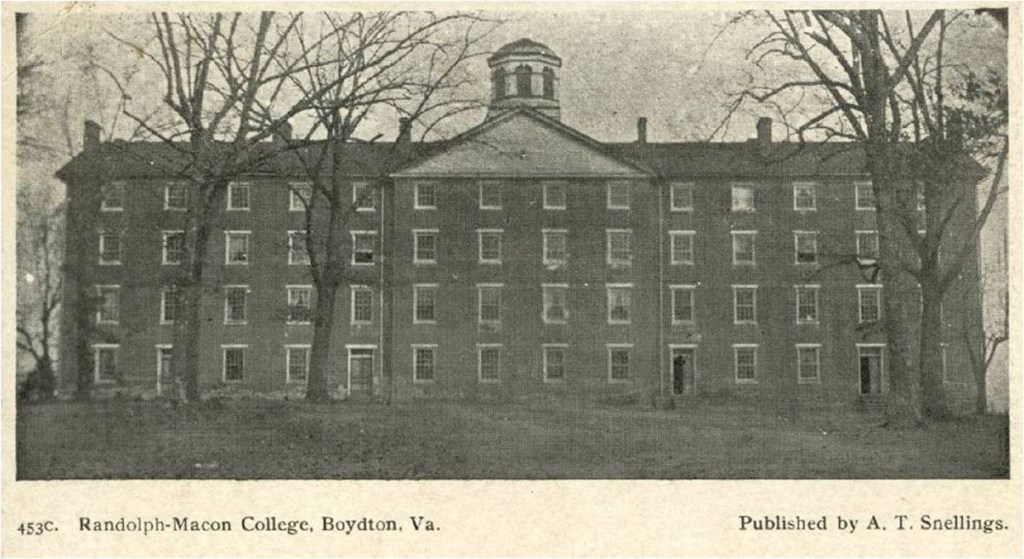
Boydton Institute: An Inspirational Community Story
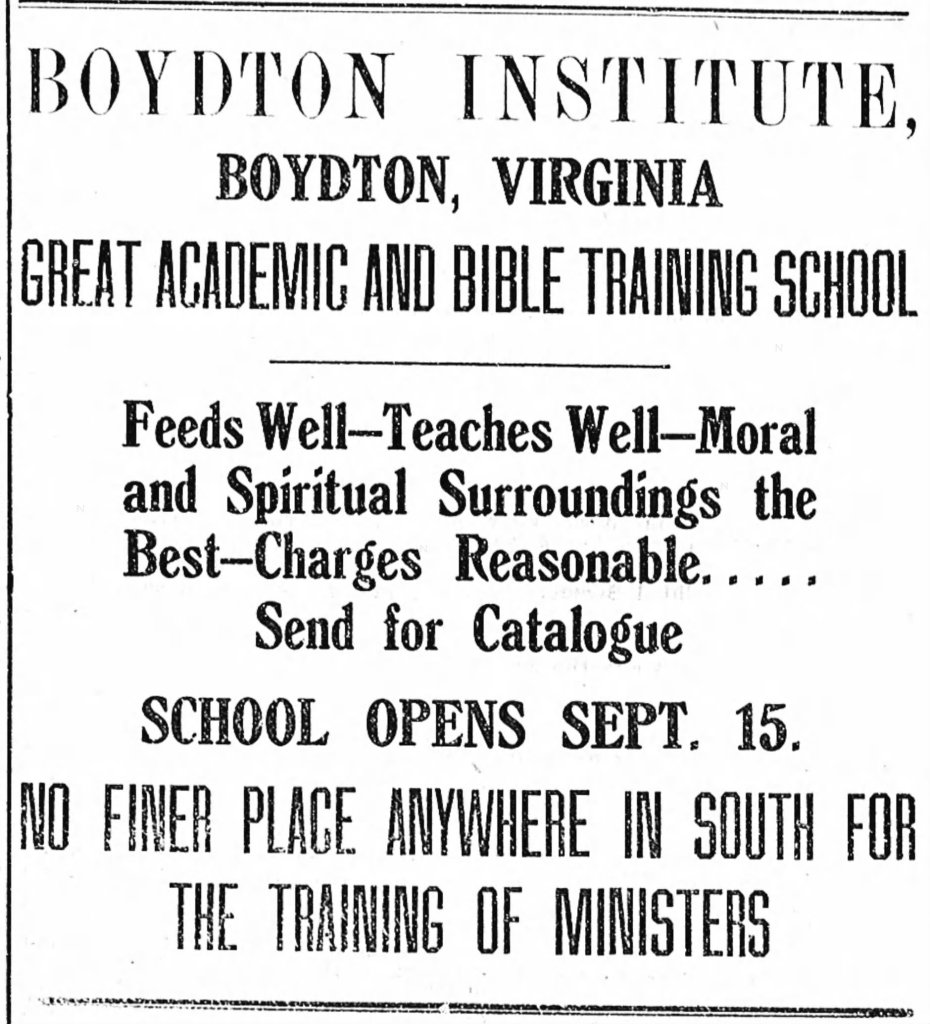
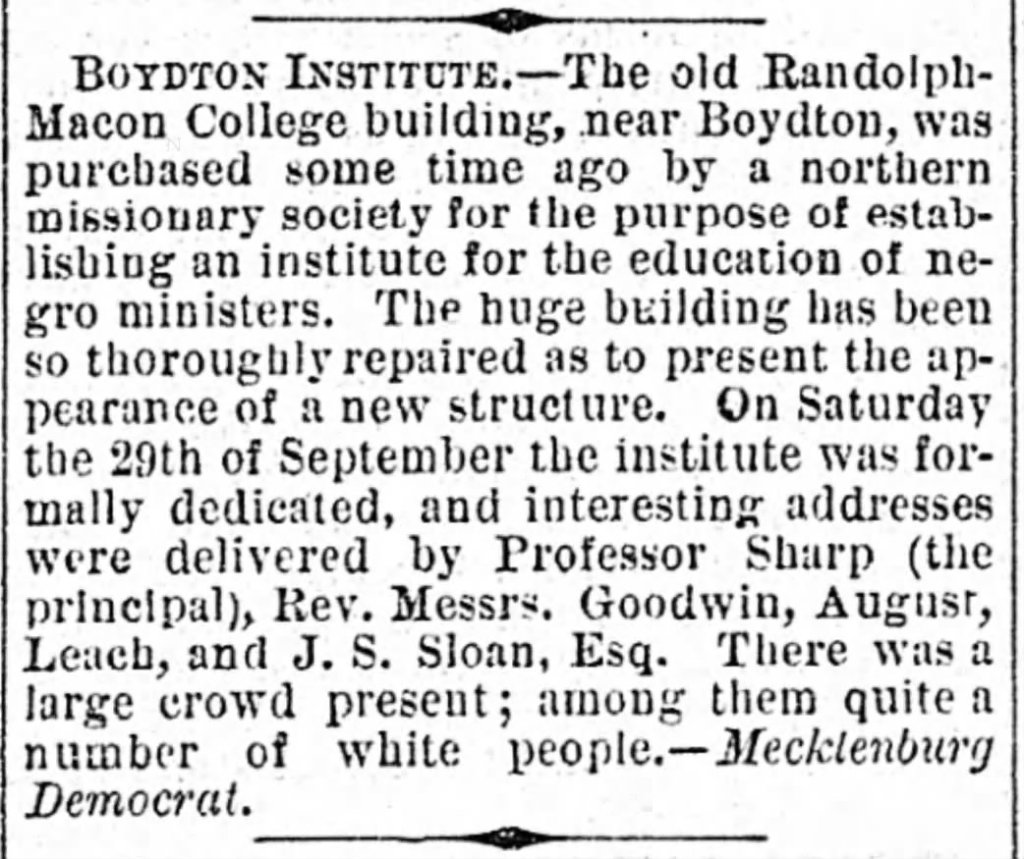
Dr. Cullis felt inspired to start a religious school to prepare African American teachers and religious leaders. He bought a neglected building people didn’t want anymore, the old Randolph Macon college building. The seminary was nondenominational, and had support from various local churches. Students and the community turned Boydton Institute into something inspiring that was talked about all over the United States and Canada.
One of the reasons Randolph Macon College was moved to Ashland, Virginia was for easier access, Ashland being north of infrastructure damage from the Civil War. About 20 years after the school moved, the railroad was built through Boydton, reestablishing easy access to the school site again. By this time, Boydton Institute was thriving in the reconstructed and improved site.
It’s surprising that a school in rural Virginia was mentioned in newspaper articles in all the Canadian provinces and more than half of the United States. Newspaper articles as far away as California, Texas, Minnesota and Maine wrote about Dr. Charles Morris, the first African American principal, being the greatest orator the journalists had listened to.
Acoording to a history of Boydton Institute, 15 students attended the school’s first semester which began in September 1879. During the school’s earliest days the building and facilities were rather primitive, even after several thousand dollars of repairs due to damage by both northern and southern troops having used the school as barracks. After the war, the abandoned school building had been used as a Freedman’s Bureau headquarters, and then Freedmen families lived there at low cost. The school property included 90 acres around the main building and outbuildings, with an additional 325 acres of woodland about a mile away which supplied the school with 200 cords of wood needed to run the school. From the time the Freedmen’s bureau moved into the building, and then onto it’s time as the Boydton Institute, it remained a part of the African American community for the remainder of it’s school days.
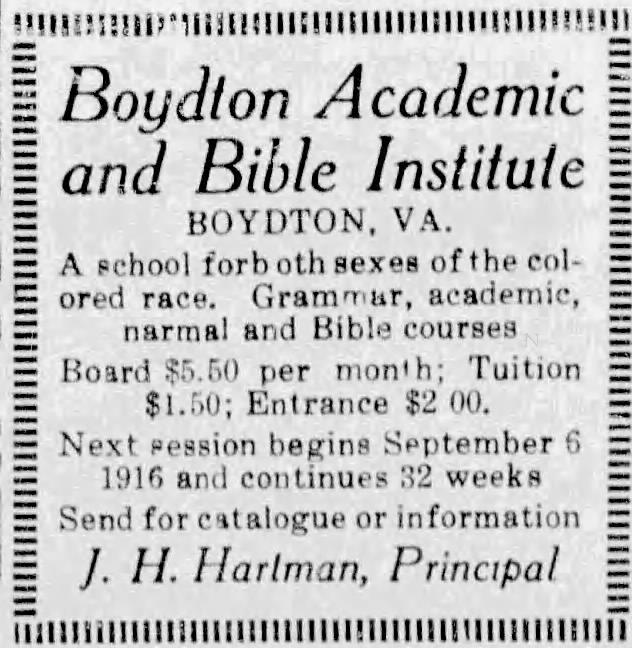
Boydton Academic and Bible Institute, was commonly referred to as simply, Boydton Institute. It was a seminary which trained African Americans to be ministers and teachers, as soon as Federal and State laws changed to make this legal. At this time, various denominations began recognizing African American ordained clergy.
African American Education & Religious Freedom Timeline
After Nat’s Rebellion, laws were passed in Virginia which made it illegal for African Americans to gather or be ministers and teachers, with harsh consequences of jail time and whippings up to 39 lashes. I wondered how a school could train teachers and ministers legally in Virginia? When were African Americans legally allowed to be ministers in Virginia? Many of the “black code laws” created in 1831 did not end until the civil rights act of 1964.
This timeline highlights important events that affected African Americans in Mecklenburg County, Virginia, from colonial days to Brown v the Board of Education.
- 1804 “Gabriel’s Conspiracy”, led to a law 24 Jan 1804, preventing slaves from gathering at churches at night, or any other location at night for any reason. It carried a penalty of a fine up to $10 and up to 20 lashes. This also affected gathering to learn reading and writing. In 1805 the law was updated to allow for enslavers to take enslaved individuals to church or schools.
- 1819 Literacy of the enslaved was not illegal until 1819, but was rarely permitted by enslavers.
- 1831 A law passed 7 Apr 1831 maintained the ban on educating enslaved individuals. It also made gatherings of both enslaved and free blacks illegal. This included gathering for church or school, as well as fines and jail time for any white person caught teaching African Americans. Also, if an enslaved individual was emancipated and remained in Virginia for more than a year, they could be resold into slavery.
- 1832 Nat’s Turner Rebellion was August 21-23, 1831. Laws were created in retaliation. No African Americans were allowed to be preachers or ministers. Licenses were revoked. No gatherings were allowed during the day, or night for any reason, including school or religion. Even 5 people standing near each other could be considered a gathering. Punishments included 39 lashes, fines and jail time.
- 1865 education was allowed for all races and genders during the time period of the Freedman’s Bureau, enforced by federal troops.
- 1866 Reverend JS Atwell was the first recorded African American ordained and was recognized by the Episcopal Church in 1869 in Virginia.
- 1867 The Virginia Baptist State Convention was formed to allow black churches to work independently of white churches, no longer requiring white overseers at all churches.
- 1867-1868 The Virginia Constitution allowed for tax funded public education for everyone
- 1870 Virginia was officially readmitted to the United States, 26 Jan 1870, after reconstructing the state constitution to recognize the new US Constitutional Amendments, including the 14th Amendment about citizenship, and the 15th Amendment.
- 1874 Repeal of laws about slavery, & creation of new laws about marriage and legitimizing children of people of color, including former enslaved.
- 1879 Dr. Cullis bought the old Randolph Macon College building and began repairs. The school reopened with the name Boydton Institute.
- 1882 James Solomon Russell (formerly enslaved near Palmer’s Springs), was ordained a deacon in the Episcopal Church. He and his wife established Saint Paul’s Normal & Industrial School in 1890 in Lawrenceville, (It became a college later.) Mr. Russell also established a black Episcopal Church in Boydton.
- 1886 First Virginia seminary, in Lynchburg, VA.
- 1890 The US Congress passed the second Morrill Act, allowing for colleges and universities for African Americans.
- 1903 Founding of National Association for Teachers in Colored Schools
- 1909-1912 Monkolet ole Sempele, of the Maassai tribe in present day Kenya, attended Boydton Institute
- 1911 Training School Movement began in Virginia.
- 1914 Booker T. Washington School in Norfolk, became first accredited black high school in Virginia
- 1915 Mecklenburg Training School was the first public high school, in Mecklenburg County, for African Americans.
- 1917 The Rosenwald Fund began
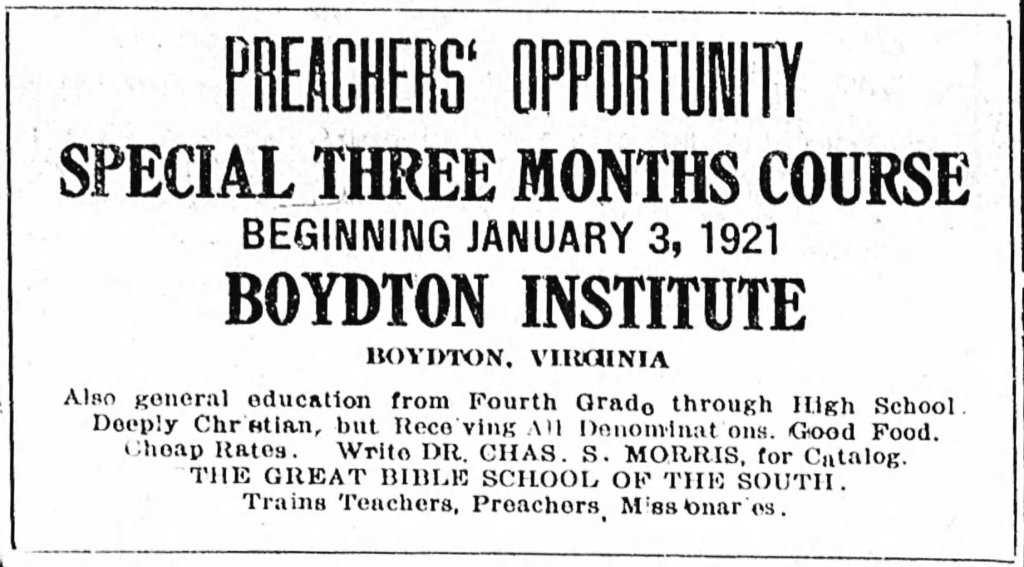
- 1919 Boydton Institute became a seminary, with Dr. Charles Morris as principal.
- 1954 Brown v. Board of Education
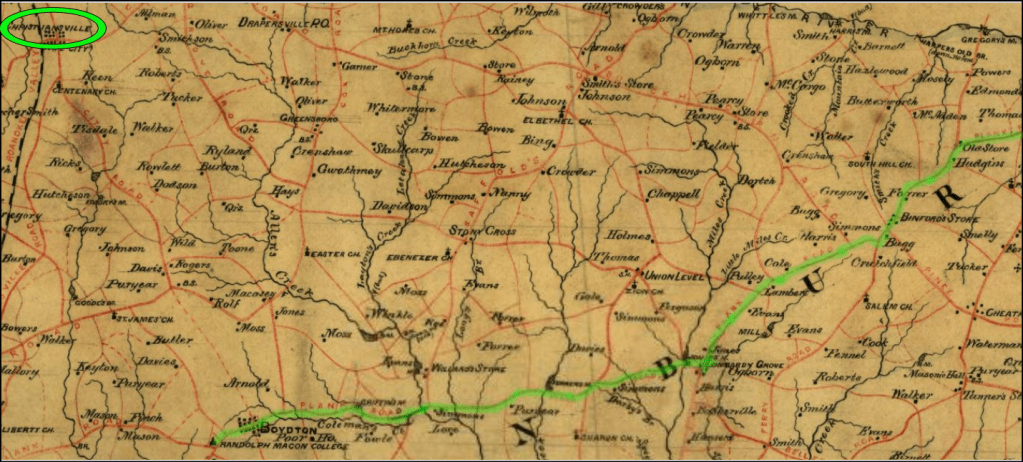
1864 Gilmer map, Chief Engineers Office D.N.V., 1864. Map of Mecklensburg, Brunswick and Greensville counties, Va.
Dr. Cullis’s 1892 route from Richmond to Boydton
The route Dr. Cullis described was hiring a hack from Five Forks (15 miles south west of Petersburg, near Dinwiddie Courthouse), to Chase City, Virginia. The Boydton Plank Road went from Petersburg to Randolph Macon College in Boydton, but it was heavily damaged during the civil war. This map (above) shows the route through Mecklenburg and Brunswick. I highlighted Boydton Plank Road in green on the map above, and circled Chase City, to show the alternate route taken because the roads remained difficult to navigate thirty years after the war was over.
“Our train for Five Forks left at 1:20, I think. This was the end of our destination by rail, which is one hundred miles below Richmond. The road has been opened to that point since our college work has been established at Boydton. Previous to the last two years, it was a thirteen mile ride by stage from Chase City to Boydton. We reached Five Forks on a mixed train at six o’clock, so that we did not travel very rapidly. There we met what was called a ‘hack,’ that ran from the depot at Five Forks to Boydton. (we should call it a “carryall” here) Some of you have seen Virginia roads. I have!
They make a road down there by just saying, ‘This will be a road,’ and it is a road from that time on. You wonder what it is as you go over it.”
Dr. Cullis’s journey was 120 miles, taking about 5 & 1/2 hours from Five Forks. The train route of 1896 greatly improved transportation and accessibility. The highway route today is about half the distance and about 1/5th of the time to drive from Five Forks to Boydton.
1896 Improved access to the school, from the railroad
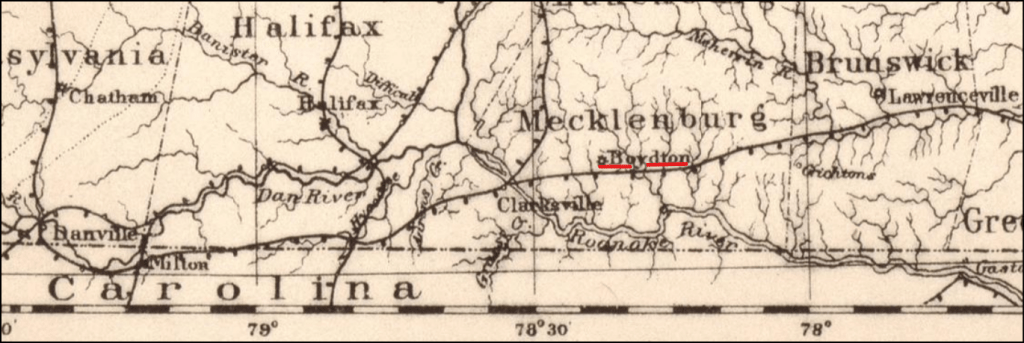
J. Hotchkiss, 1896 map, Library of Congress website
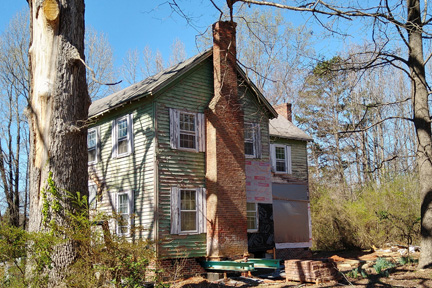
Helensha Cottage
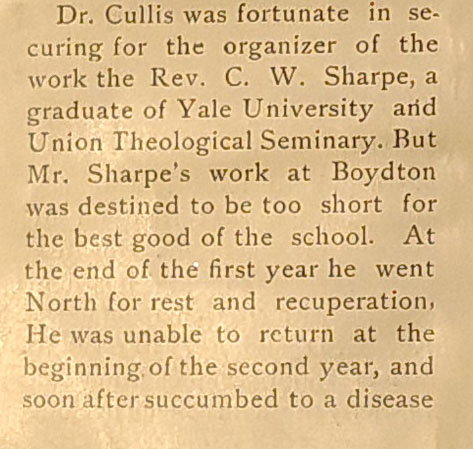
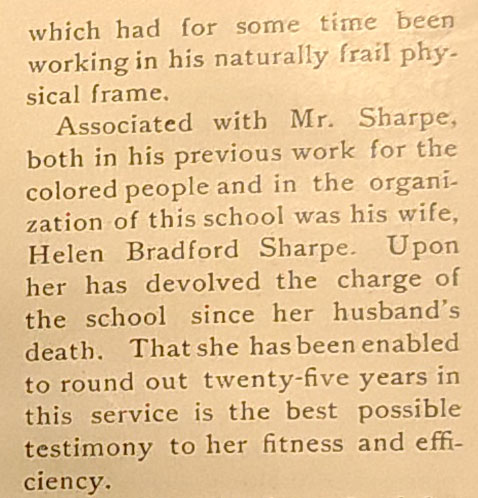
Reverend Charles Sharpe and his wife Helen of Boston, Massachusetts moved to Boydton Institute to be the first principal and headmistress. Reverend Sharpe died a year after moving to the school. His wife Helen stayed on as headmistress for another 31 years. The cottage Helen lived in was called Helensha Cottage, it was located on the Boydon Institue property, near the main building. This article shows the cottage getting a new foundation. (2022, page 2-3 about the cottage & pg 11 new signage)
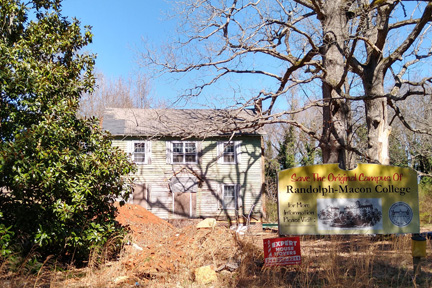
Pictures March 2023
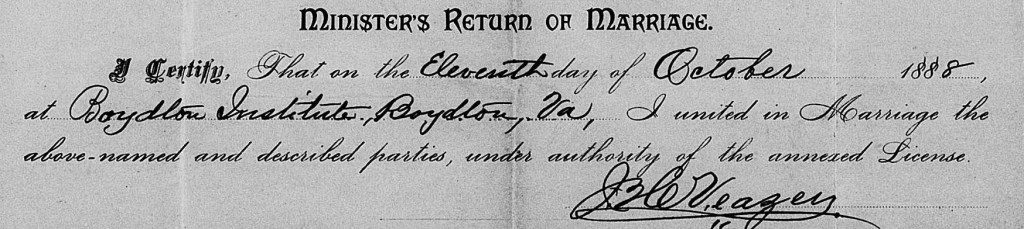
Marriage record for Charles & Helen Sharpe’s daughter, Bella, showing the marriage occurred at Boydton Institute.
Mrs. Helen Sharp worked at Boydton Institute until her mid 70’s. She died January 1918 in Boydton. Her memorial service and burial were in Boston 6 months later. Here is Helen in the Mecklenburg Community tree.
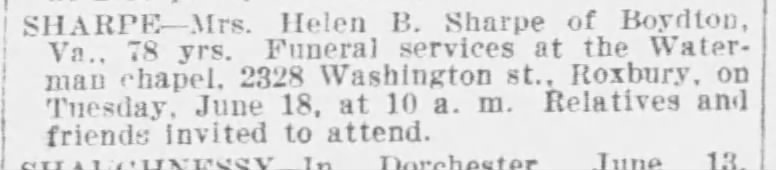
The Boston Globe, 15 Jun 1918, Boston, Massachusetts.
1909-1912: Molonket Olokorinya ole Sempele
Word about Boydton Institute somehow made it all the way to Kenya. Molonket Olokorinya ole Sempele was from the Maasai tribe, the first Kenyan to study abroad.
John Stauffacher, an Christian missionary from America, moved to Kenya in 1903. Sempele began traveling for work after his father’s death, about 1905. He became friends with John Stauffacher. Sempele converted to Christianity and became an interpreter for John Stauffacher and Florence, his wife.
“On their first furlough in 1909 [John & Florence] took with them their language informant, a Maasai, who became the first Kenyan African to obtain higher education in the United States. John Stauffacher’s passion for justice led him to denounce fellow Westerners who exploited the Maasai. He identified with Maasai resistance to government efforts to move them from their ancestral land.” John lived most of his adult life in Africa, where he preferred to be, dying in Kenya in 1944.
Sempele was concerned about how black people were treated in the United States. When he returned home in 1912, he observed how land taken from the Maasai caused problems and distrust with missionaries. He became a trusted spokesperson for his people, because of his experience with the Stauffachers and his education at Boydton Institute. (page 120)
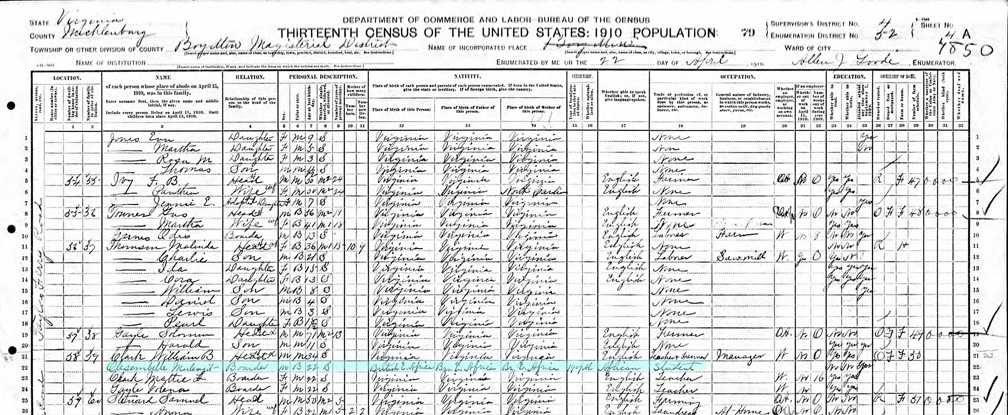
1910 Census, Malonket ole Sempele was a boarder at a house with two teachers. He lived on Taylor’s Ferry Road, which intersects with Jefferson Street, near the entrance to the school. Molonket has been added to the community tree.
1907-1908 Classes at Boydton Institute
Sewing was a required class for women. Dressmaking and cooking were offered as optional. Printing and a monthly newsletter were offered to both males & females.
A Sketch of Boydton Institute, Nov 1904.
Saturday, 8-12, all students helped with chores around the school: Cleaning, chopping wood, gardening, etc.
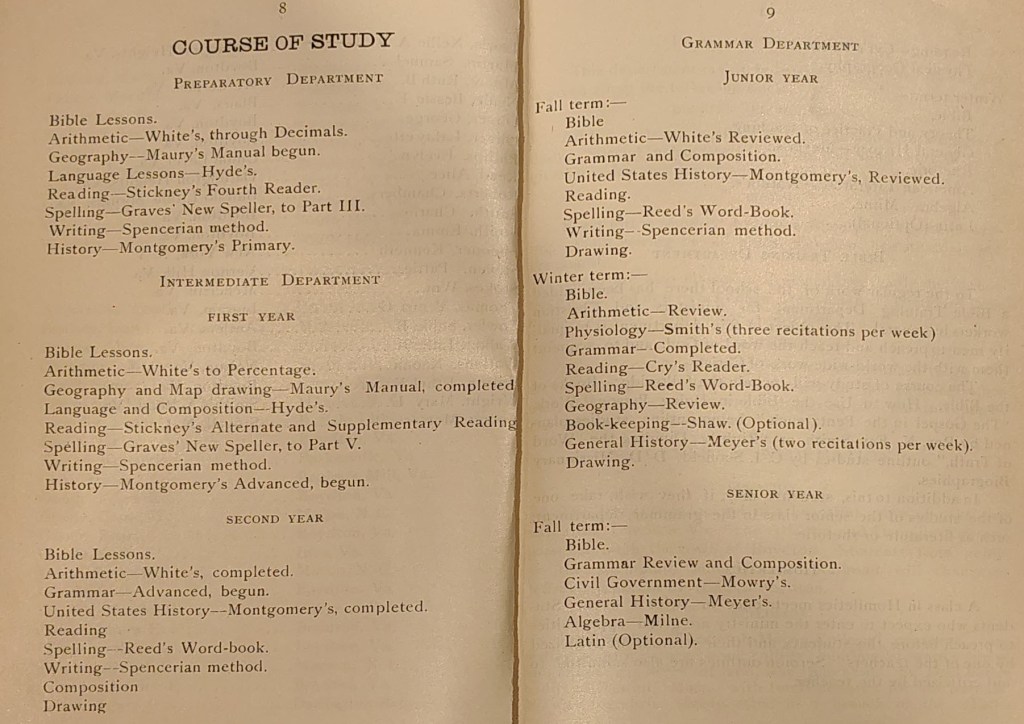
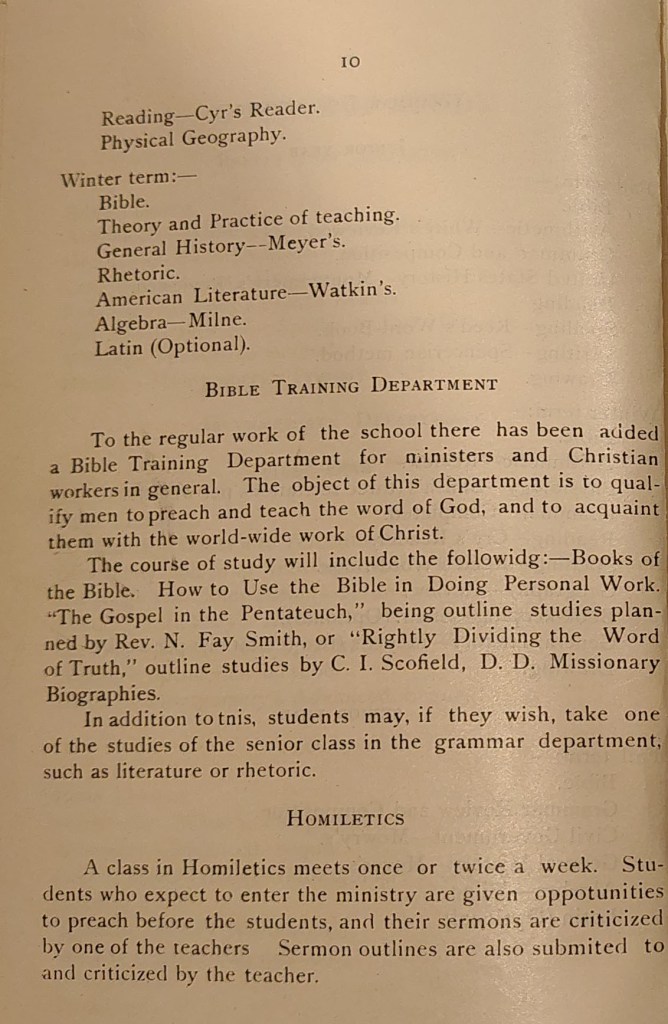
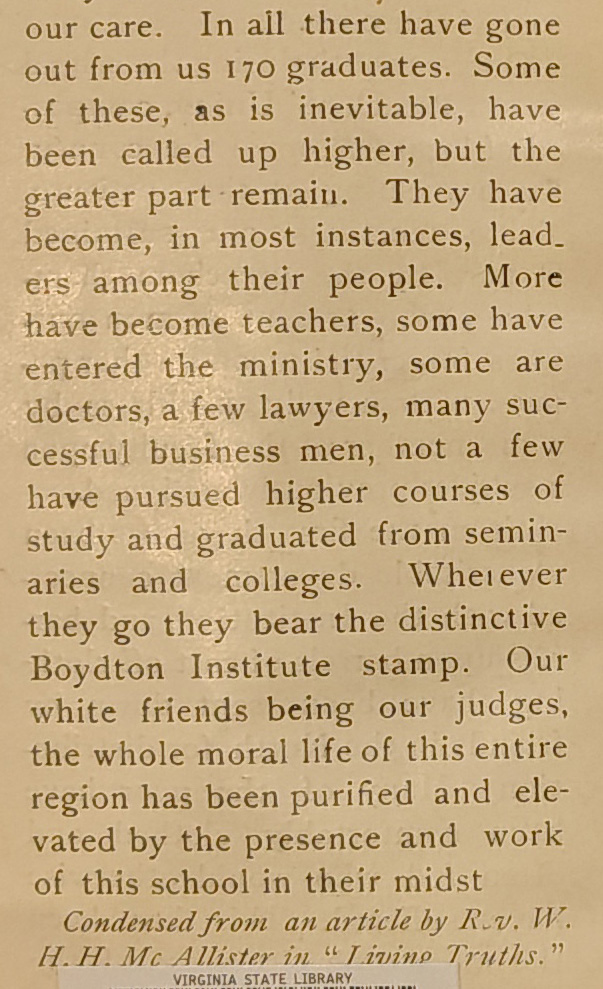
This is the school catalogue (above) the year before Sempele arrived, and most likely the same lessons he studied.
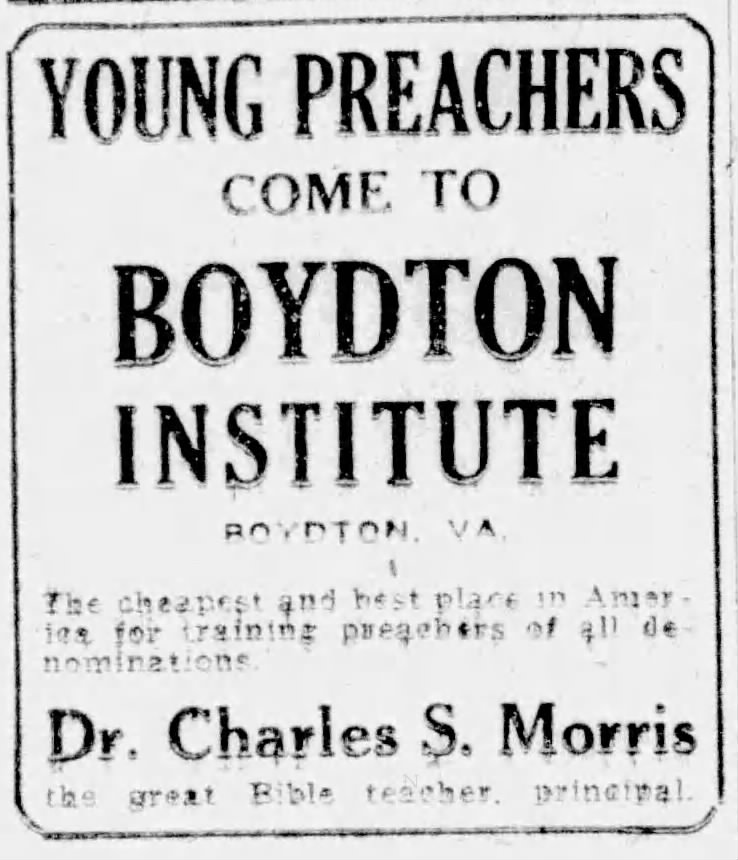
1919-1925: Reverend Charles S. Morris was the principal of Boydton Institute
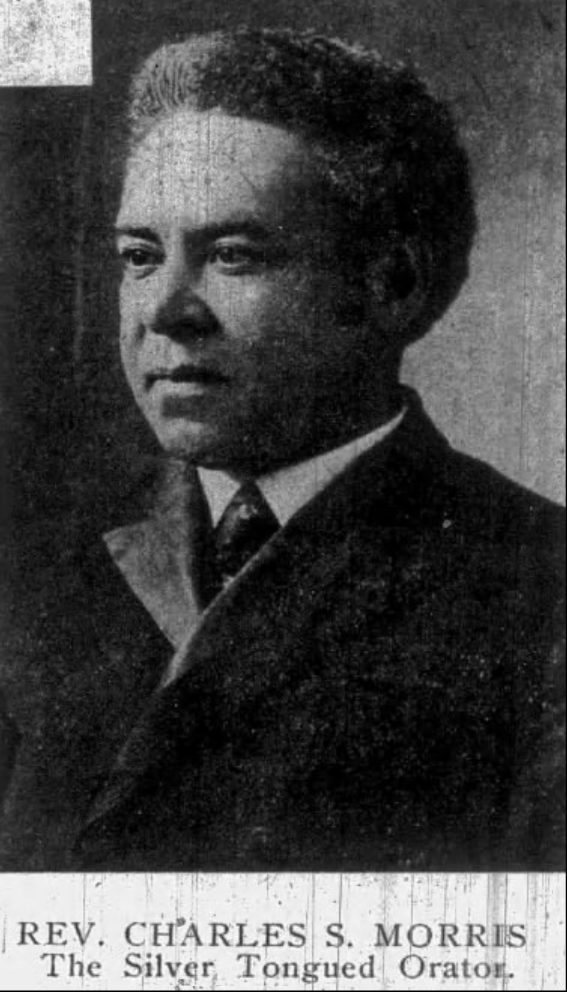
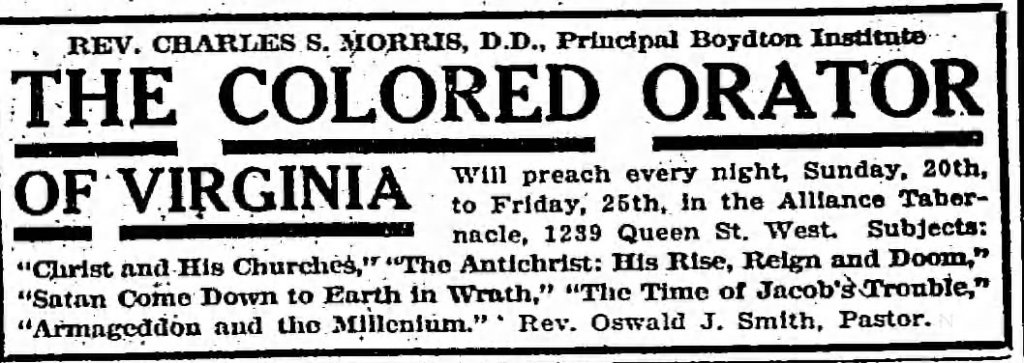
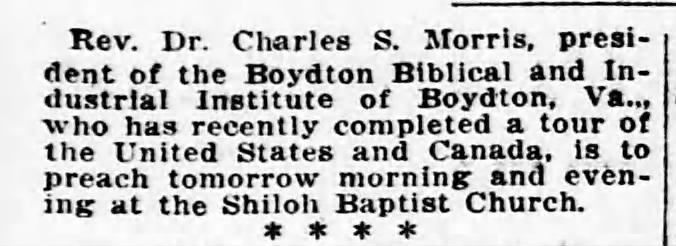
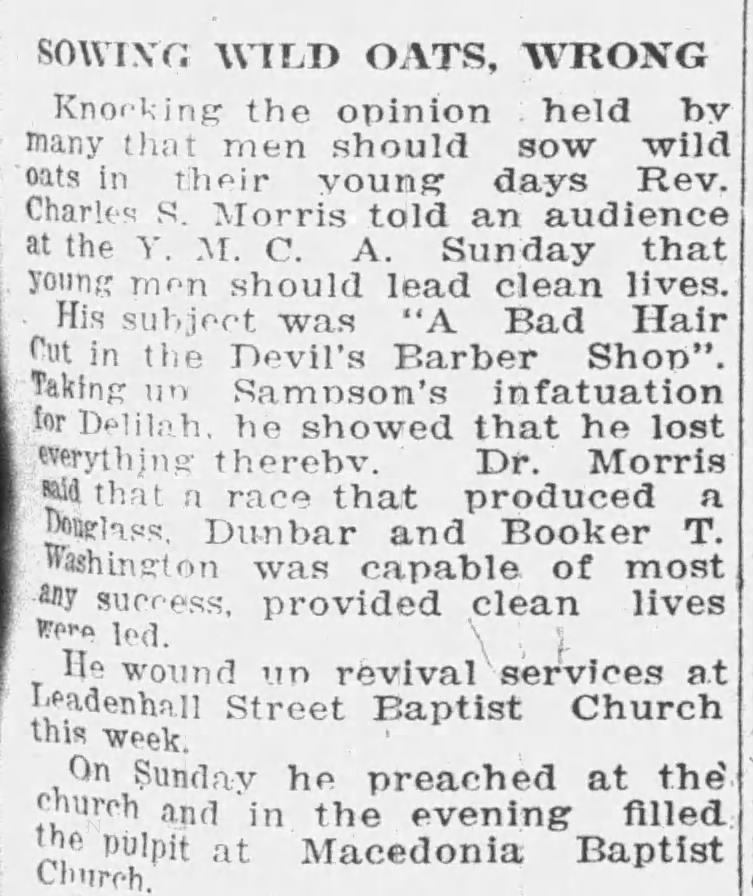
In June 1922, Editor Mitchell, of the Richmond Planet Newspaper, tells about sheltering at Boydton Institute. He wrote about his drive with several reporters, from Richmond, through South Boston, to Boydton, South Hill and back to Richmond. It was raining and the road conditions were dangerous. They tried to get a hotel room in Clarksville but were told the hotels were only for white tourists. They paid the 50 cent toll to get to Boydton. They were given shelter and invited to stay the night at Boydton Institute, visiting with Dr. Morris’ family. Mitchell tells about improvements to the school. This pre-dates the 1938 Mecklenburg Co-op, and the 1952 Bugg’s Island hydro electric power:
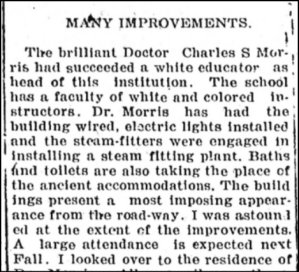
Boydton Institute permanently closed in the mid 1930s. The Old Brunswick Circuit Foundation Sites has purchased the old school site and has shared some preservation plans online.
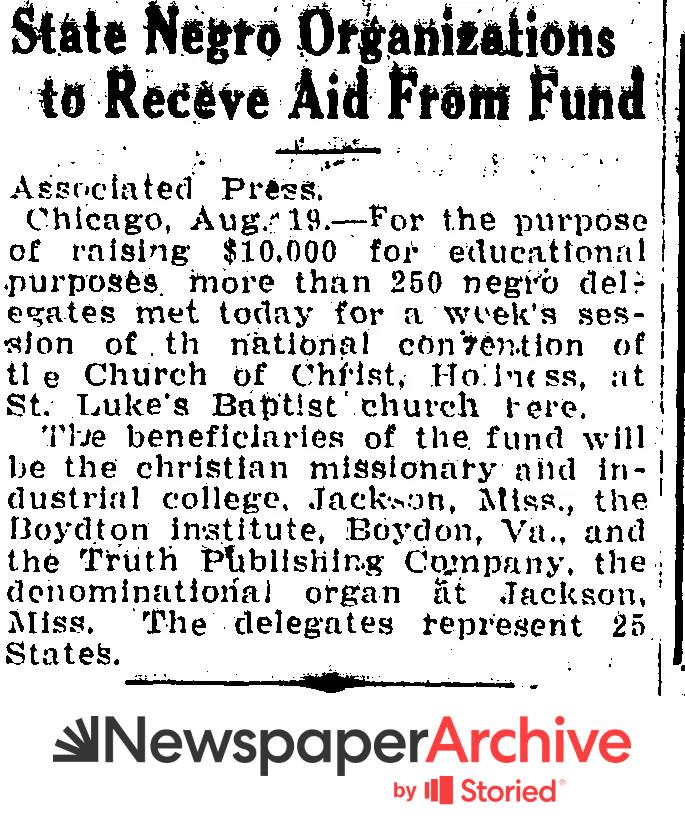
Newspaper clippings about Boydton Institute

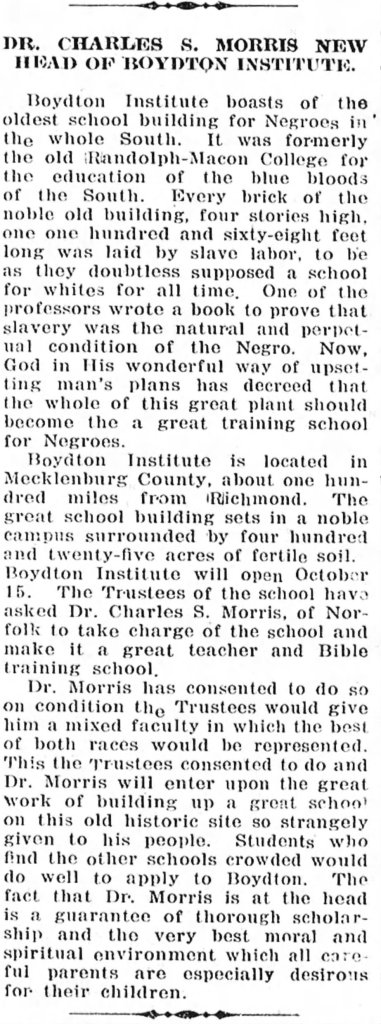
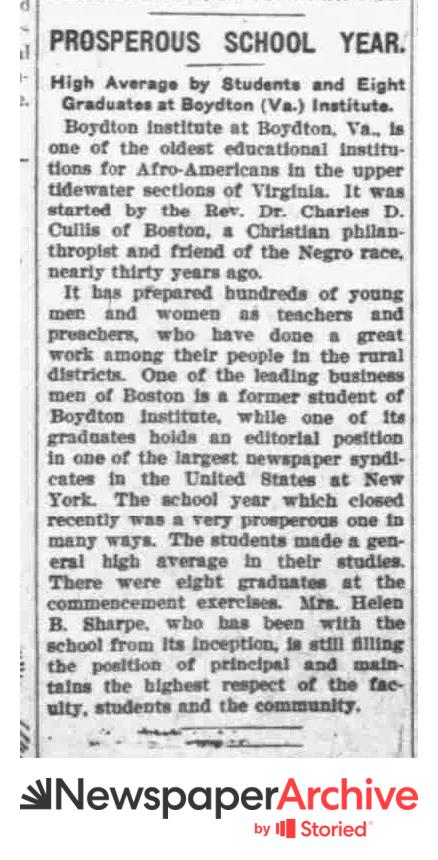
Further Reading
- Virginia Conference of the United Methodist Church– photos of Boydton Institute, past & present, and video
- Randolph-Macon College Archives
- Boydton Institute: Discovering, Saving and Telling Its History; 9 Oct 2023, Lake Gaston Observer (includes 1919 picture of students in front of campus)
- Randolph Macon College, Racial Equity and Opportunity Commission Final Report, 3 Nov 2021; page 73-74 includes history of Boydton Institute
- Historical Marker Database, Boydton Academic and Bible Institute
- Description of Boydton College Work, by Dr. Charles Cullis, 1892
- 1954 Newspaper history article clipping, Lynchburg VA, the News & Advance
- Literacy and education of the enslaved in Virginia, encyclopedia Virginia
- Maasai Tribe
- John Stauffacher, Dictionary of African Christian Biography
- John Stauffacher biography, Europeans in East Africa
- Pilgramage from Kenya to Boydton Institute
- Rev. Vernon Napoleon Johns attended Boydton Institute
- Rev. Vernon Johns, BlackPast.org
- Horace Phillip study of Christianity and the Maasai people: page 98 of this report link, article written by Peter Rigby, 1981 . Also see pages 115-120. Some of this source was quoted from Kenneth King’s biography about Sempele, written 1971.
photo credit, heading: from the Randolph-Macon College Archives; Courtesy of the Flavia Reed Owen Special Collections and Archives, McGraw-Page Library, Randolph-Macon College, Ashland, VA.

